
Fujiwo Ishimoto Design Museum
Opening December 19, 2026
The Fujiwo Ishimoto Design Museum will open on December 19, 2026, in Matsuyama, Ehime—Fujiwo Ishimoto’s hometown.Through Ishimoto’s creative vision, the museum invites each visitor to turn their attention to beauty close at hand and discover their own sense of joy.
Across the second and third floors, the museum traces Ishimoto’s creative path from Japan to Finland, where he built an international career with Marimekko, one of Finland’s leading design houses, and Arabia, the renowned Finnish ceramics manufacturer. The galleries will bring together textiles and ceramic works, presented through large-scale installations that reveal the richness of Ishimoto’s approach to color, form, material, and nature.
The Museum Store on the first floor offers service that beautifully color everyday life, including museum goods supervised by Ishimoto, conveying his creation and background behind them. Through each object, Ishimoto’s creations are seamlessly connected to everyday life.
For local residents, visitors to Ehime, and Fujiwo Ishimoto fans around the world, we aim to provide an experience that makes the flowers, plants, and scenery on the way home look just a little bit different.
“I hope my visual expressions resonate with those who see them.” Fujiwo Ishimoto
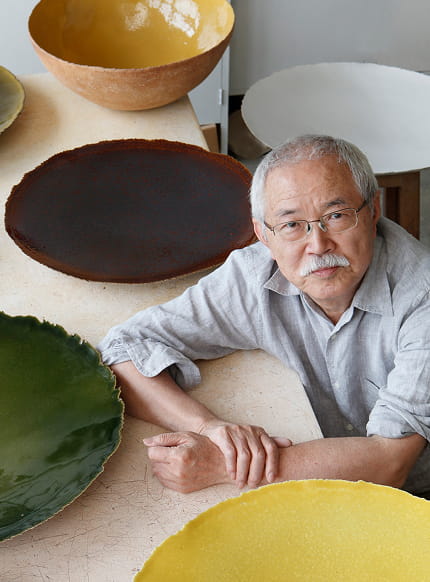
Fujiwo Ishimoto | Born in 1941 in Tobe, Ehime Prefecture, Japan. He moved to Finland in 1970 and began his 32-year career as a textile designer at Marimekko, Finland’s leading design house. From 1989 to 2020, he also worked in the art department at Arabia, a renowned Finnish ceramics manufacturer, engaging in ceramic art. He received major honors including the Kaj Franck Design Prize (1994), the Pro Finlandia Medal of the Order of the Lion of Finland (2010), and the Order of the Rising Sun, Gold Rays with Rosette (2011). In 2013, he held his first solo exhibition in his home prefecture of Ehime, titled “Playing with Fabric, Playing with Clay”. In 2014, as part of the Dogo Onsenart project, a special guest room featuring his works was created at a local hotel. Between 2018 and 2019, his retrospective exhibition “From Marimekko Flowers to Ceramic Fruits” toured Japan, with stops in Ehime, Tobe, Kyoto, and Tokyo. After returning to Ehime in 2020, he donated approximately 150 works to the Ehime Prefectural Museum of Art. He has since presented solo exhibitions at Mustakivi, including “Buds” and “Blossoming” (2022), “Flowers and Fruits” and “Magnolia” (2024), “Peach”, “Poppy” and “MOMOKURI” (2025) and “Harvest” (2026)
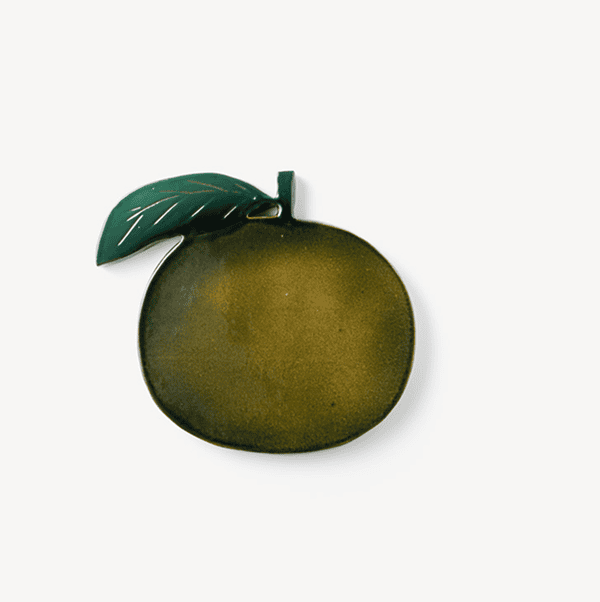
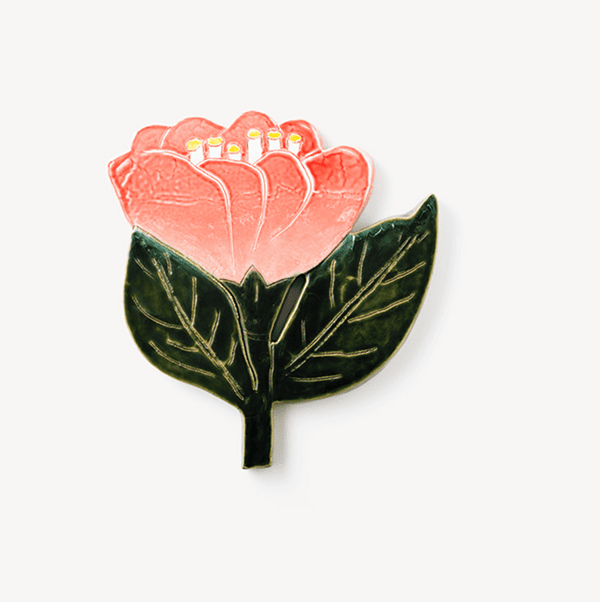
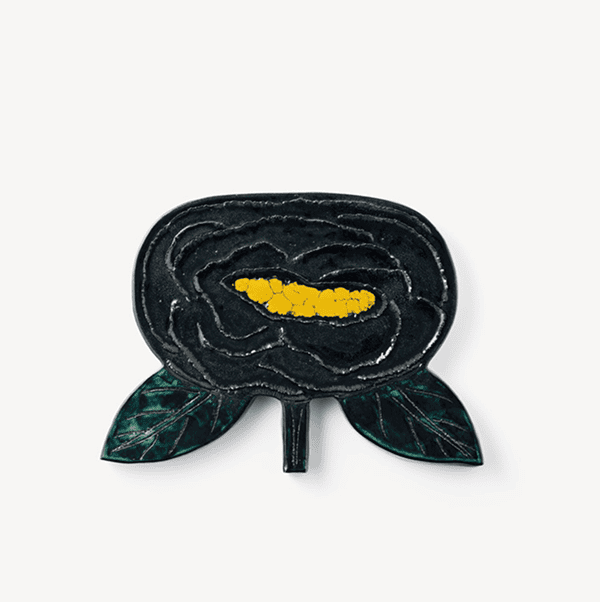
Architecture | A Museum That Embraces Nature by Toyo Ito
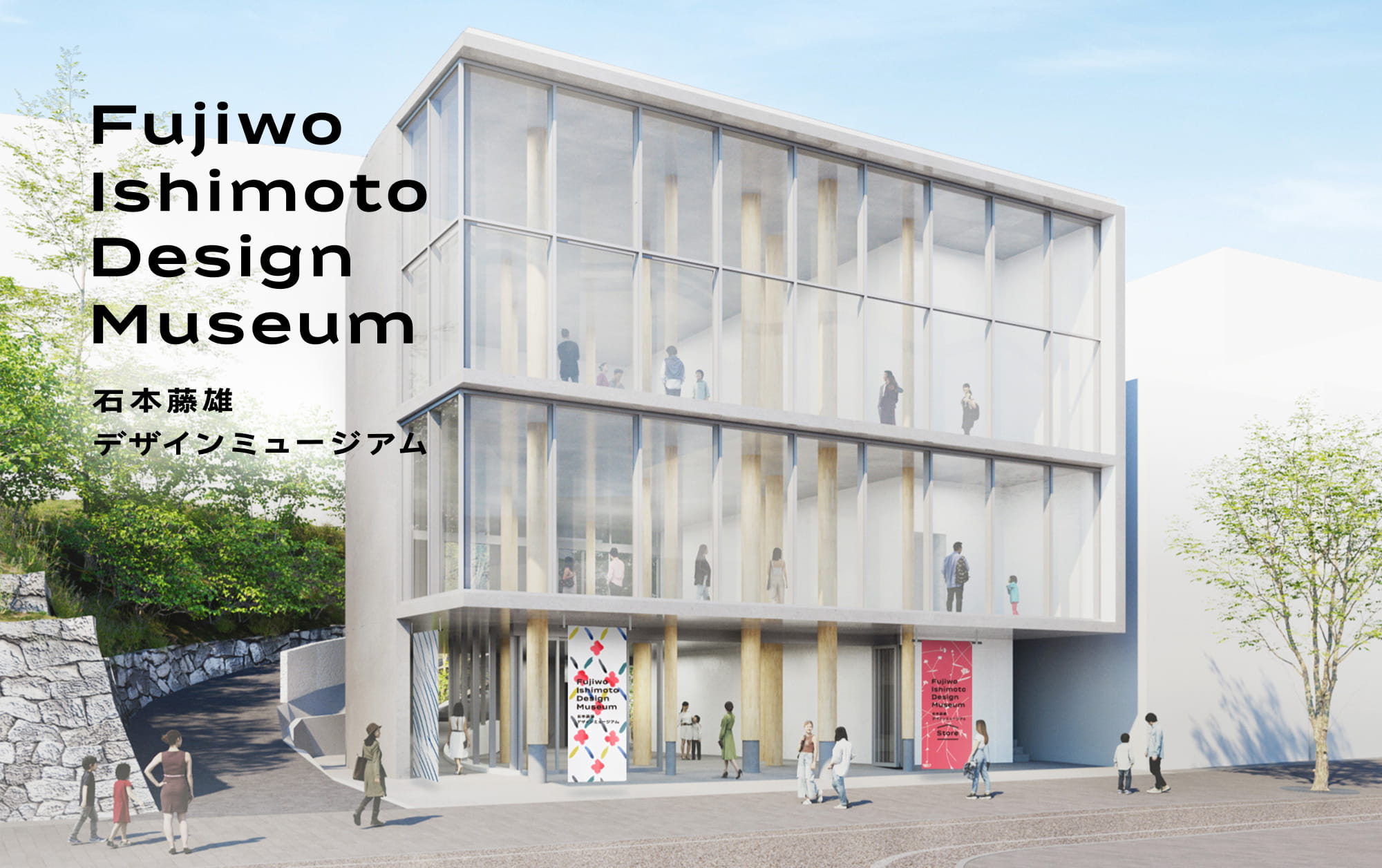
The architectural design is led by Toyo Ito, one of Japan’s most celebrated architects, who also has a museum in Imabari, Ehime. Inspired by Ishimoto’s deep reverence for nature—a theme present throughout his works—the museum is envisioned as a space where visitors can experience art while being enveloped by nature. The most striking feature is a bold space where wooden pillars rise vertically across three floors, evoking the sensation of walking through a forest. This design honors Ishimoto’s 50 years in the forest- and lake-rich landscapes of Finland, inviting visitors into a serene, woodland-like environment.
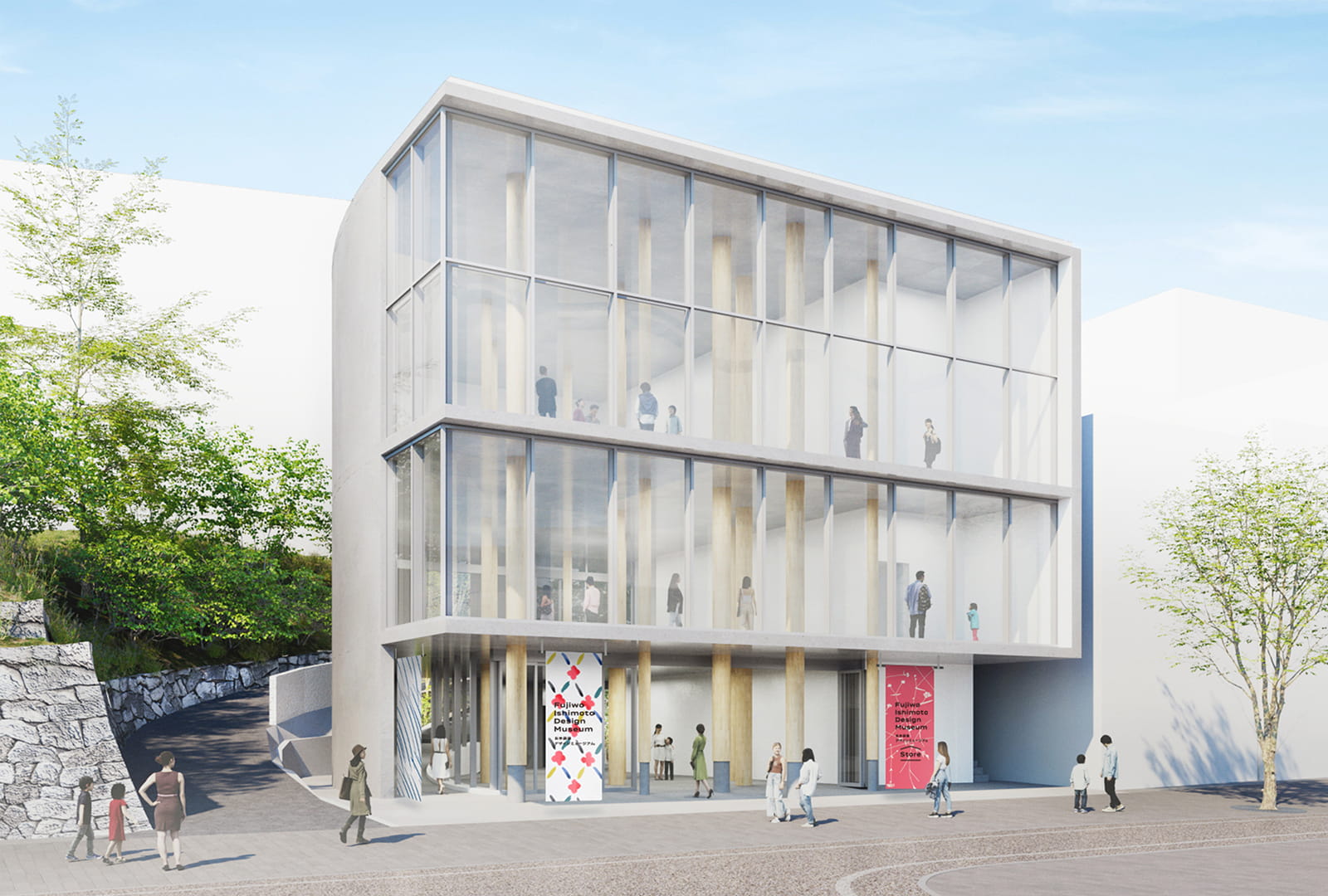
Interior perspective drawing
“When Mr. Ishimoto, whose life had long been embraced by nature, asked me to design the museum, I wished to create another nature within the architecture itself.” Toyo Ito
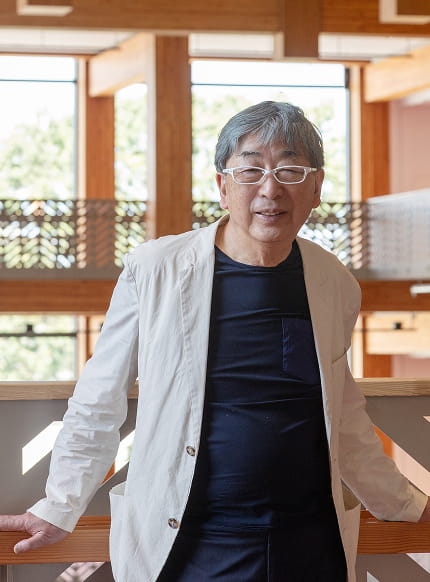
Toyo Ito | Born in 1941 and raised in Nagano Prefecture. Graduated from the University of Tokyo’s Department of Architecture in 1965. His representative projects include Sendai Mediatheque, ‘Minna no Mori’ Gifu Media Cosmos, and the National Taichung Theater (Taiwan). His accolades include the Architectural Institute of Japan Prize, the Golden Lion at the Venice Biennale, and the Pritzker Architecture Prize. He also founded Ito Juku, an educational initiative for exploring future urban and architectural forms. In Ōmishima, Imabari City, Ehime—where the Toyo Ito Museum of Architecture, Imabari is located—he continues to engage in community development activities together with his former students and local residents.
Photo: © Kai Nakamura
Visual Identity | A Visual Language by Yoshiaki Irobe (Nippon Design Center)
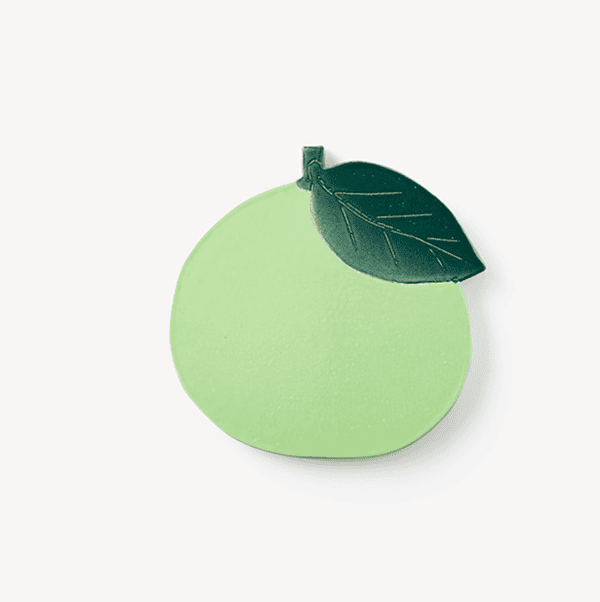
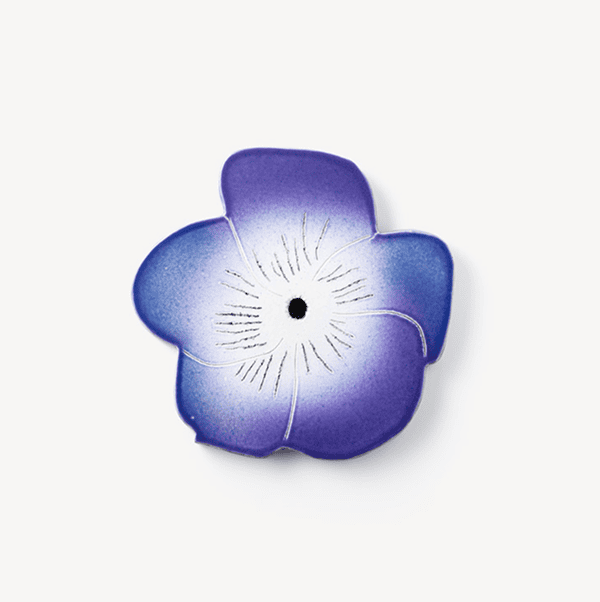
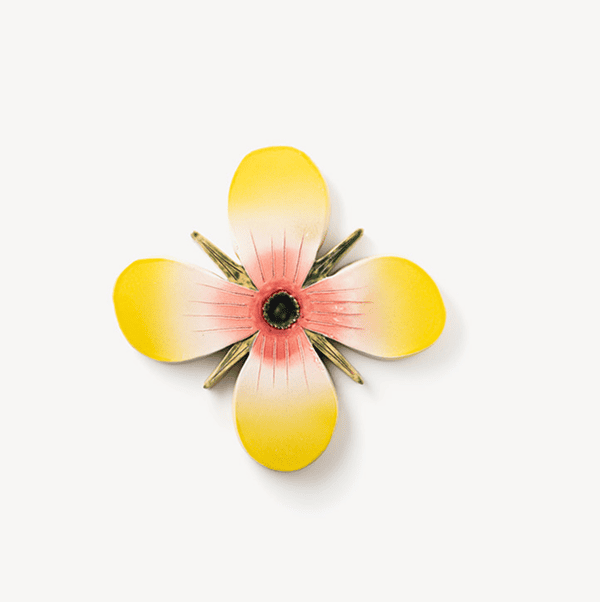
The museum’s logo and visual identity (VI) were designed by Yoshiaki Irobe, art director at the Nippon Design Center. Drawing on Ishimoto’s lifelong explorations of nature, serenity, and form, Irobe has translated these values into a carefully considered visual language. The logo typography is inspired by the “flattened circle” shapes often found in Ishimoto’s ceramic and textile works, particularly in his depictions of fruits and flowers. Its unique aspect ratio (about 1:0.85) was derived directly from the actual dimensions of his artworks. The subtle curves at the ends of the characters evoke the stems of fruits, imbuing the typeface with a sense of organic life. The characters stand with a modest, gentle presence, reflecting the imperfect balance and comforting spaciousness characteristic of Ishimoto’s creations.
Logo Design
for the Fujiwo Ishimoto Design Museum (1/2)
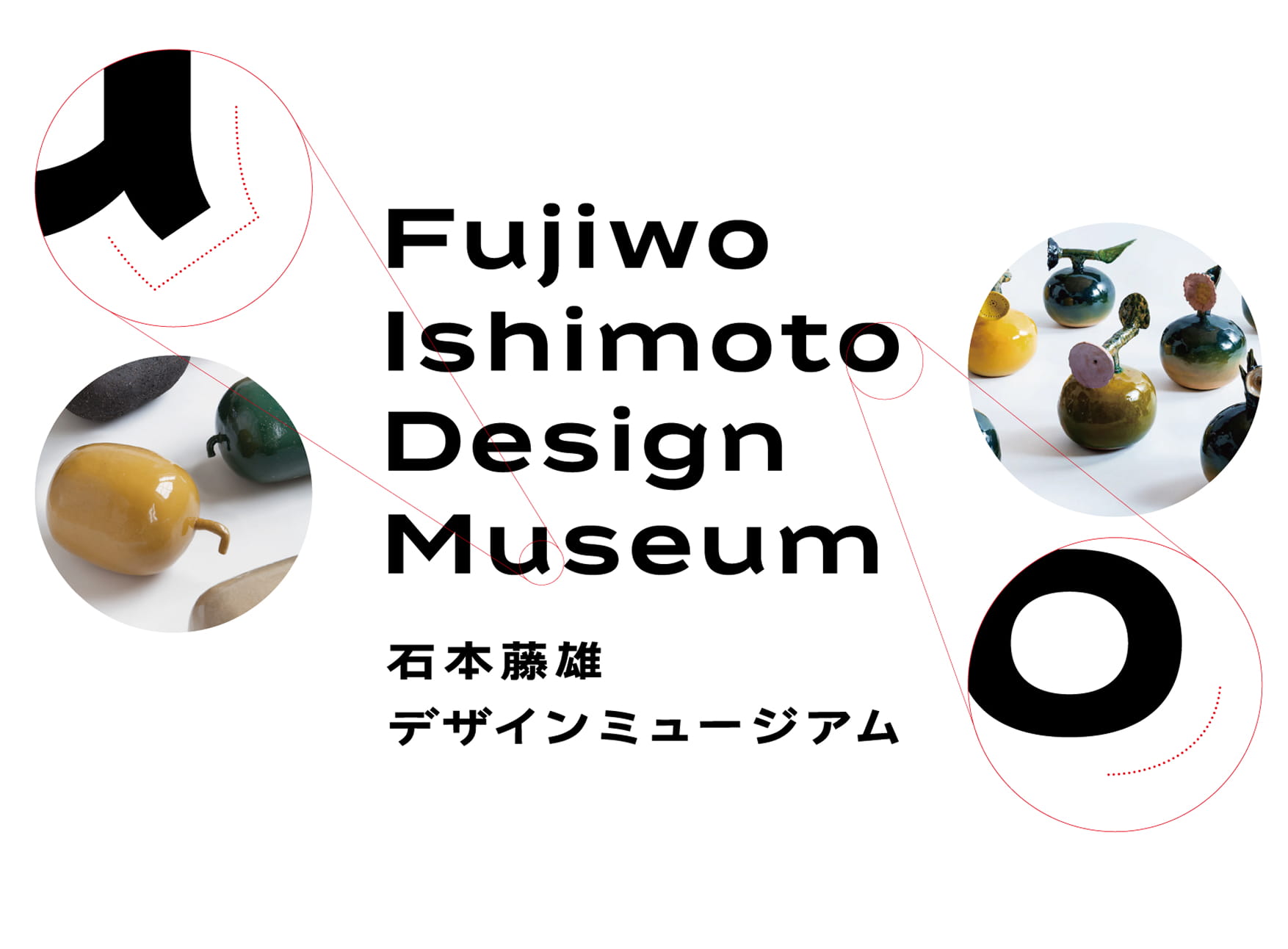
Logo Design
for the Fujiwo Ishimoto Design Museum (2/2)
“I aimed to create a logo that resonates with Ishimoto’s forms—one that maintains its individuality and legibility whether placed over artwork, beside it, or standing alone.” Yoshiaki Irobe
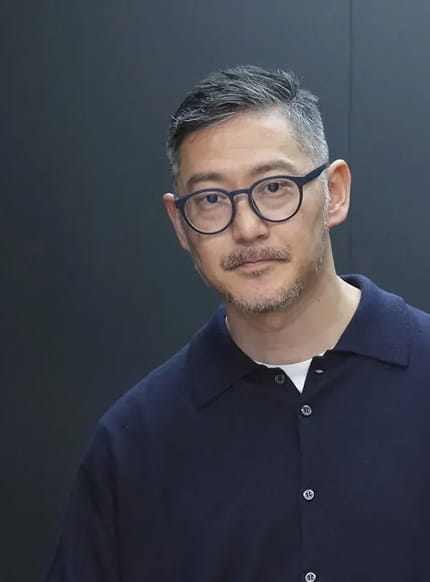
Yoshiaki Irobe | Born in 1974 in Chiba Prefecture. A graphic designer who earned his master’s degree from Tokyo University of the Arts, Irobe heads the Irobe Design Institute at Nippon Design Center and works across a broad spectrum—from graphic and spatial design to exhibitions and signage. His notable projects include visual identity design for Osaka Metro and Japan’s National Parks, signage planning for museums such as the Ichihara Lakeside Museum and the Museum of Contemporary Art Tokyo, and visual direction for the Sony Park Exhibition. For the 2025 Osaka–Kansai Expo, he is overseeing art direction for the Japanese Government Pavilion. Major awards include the Yusaku Kamekura Award, ADC Award, and the Good Design Gold Award from Japan’s Ministry of Economy, Trade and Industry.
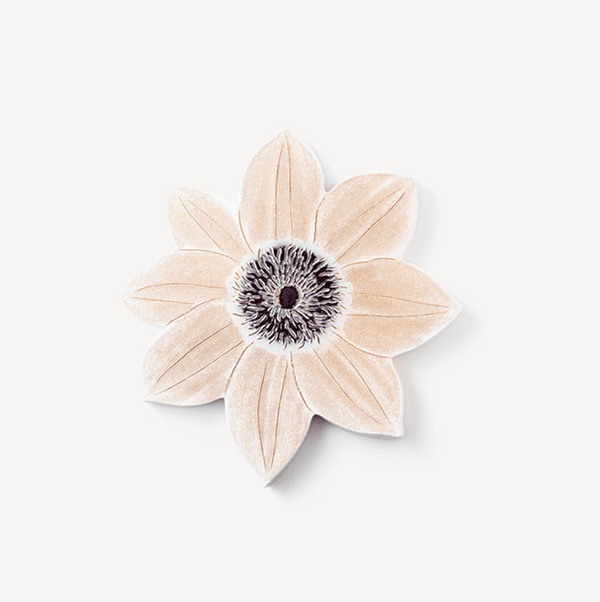
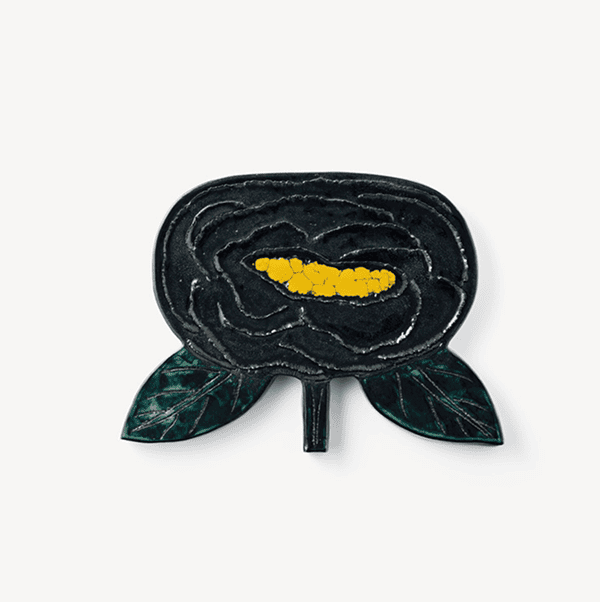
Opening Commemorative Exhibition | The Story of Fujiwo Ishimoto I: Looking at What Lies Close
To mark the opening of the museum, The Story of Fujiwo Ishimoto I: Looking at What Lies Close will introduce Fujiwo Ishimoto not only as an artist and designer, but also as an individual whose experiences, encounters, and surroundings have shaped his creative practice.
The exhibition unfolds across the second and third floors. On the second floor, Ishimoto’s nearly six-decade creative journey, beginning in the 1960s, is traced through three chapters: the “Tobe Era,” the “Tokyo Era,” and the “Helsinki Era.”
Tobe was the point of departure for Ishimoto’s creativity; Tokyo was where he encountered the forefront of art and design, deepening his knowledge and experience through exchanges with his contemporaries; and Helsinki was where his talent flourished through his work with Marimekko and Arabia. Through this journey, the exhibition explores the “colors,” “forms,” and “words” underlying Ishimoto’s creative practice.
On the third floor, an expansive space defined by 5.5-meter-high columns is filled with color and a sense of joy. Fabrics designed by Ishimoto unfold throughout the space in dialogue with vibrant ceramic works inspired by flowers, plants, and the natural world.
We hope that time spent experiencing Ishimoto’s world will inspire each visitor to reflect on their own "here and now," encounter their own unique joy, and bring a fresh perspective to their everyday lives.
Museum Store: Opening the World of Fujiwo Ishimoto Through Objects
Occupying the entire first floor, the Museum Store is conceived as an integral part of the museum—a place where Ishimoto’s creative world can be encountered through objects and brought into everyday life.
Over the year and a half leading up to the opening, Ishimoto and the development team have revisited his works and memories together, tracing the ideas and experiences that have shaped his creativity. These range from his distinctive sense of color and form and his close observation of everyday nature to the landscape and food culture of his native Ehime, and the crafts and traditions rooted in the region.
These explorations have led to the development of a collection of original items, each shaped by a different aspect of Ishimoto’s life and creative practice. Rather than simply reproducing motifs from his works, the collection seeks to translate the ideas, memories, and sensibilities behind them into objects that can become part of everyday life.
In this sense, the Museum Store is more than a retail space. It is another way of experiencing the museum—a place where visitors can discover the stories behind Ishimoto’s work, deepen their understanding of his creative world, and carry something of that experience with them beyond the museum.
We hope the Fujiwo Ishimoto Design Museum will become a familiar presence in Matsuyama and a place of continuing discovery—for the local community and for visitors from further afield.
Facility Overview
Name | Fujiwo Ishimoto Design Museum
Address | 3-2-40 Okaido, Matsuyama, Ehime 790-0004, Japan
Structure | Three-story building
Opening Date | December 19, 2026
Architectural Design & Supervision | Toyo Ito & Associates, Architects
Construction | Trial Corporation
Museum Planning & Supervision | Spiral / Wacoal Art Center
Art Direction | Irobe Design Institute, Nippon Design Center
Planning & Operation | FLOW ERS Inc.
Exhibition Overview
Title | The Story of Fujiwo Ishimoto I: A Gaze Upon His Footsteps
Dates | December 19, 2026 – May 30, 2027
Curator | Yoshie Ota, Spiral / Wacoal Art Center
Exhibition Design | Takashi Nakahara, DENBAK-FANO DESIGN
Graphic Design | Irobe Design Institute, Nippon Design Center
Exhibition Title Supervision | Kotoba Research Institute by Isome, Nippon Design Center
Video | Shibuya
Museum Store
Operated by | FLOW ERS Inc.
Planning & Product Development | Taku Sasaki, Kotoe Matsuura
Planning Support | East Inc.
Press and General Inquiries
Fujiwo Ishimoto Design Museum
Attn: Yamaguchi / Niida, FLOW ERS Inc.
Email: info@fidm.jp